The Definitive Guide to Essential Car Spare Parts on the Market: Maximize Savings on Your Next Repair!
In the domain of vehicle maintenance, grasping the importance of car spare parts is essential for every owner. Quality components can greatly reduce repair costs while enhancing performance. Recognizing wear signs, such as strange noises or dashboard alerts, is essential for timely intervention. This resource highlights essential spare parts and provides guidance on where to obtain them. It also explores the balance between DIY repairs and professional assistance, hinting at emerging trends that could reshape the industry.
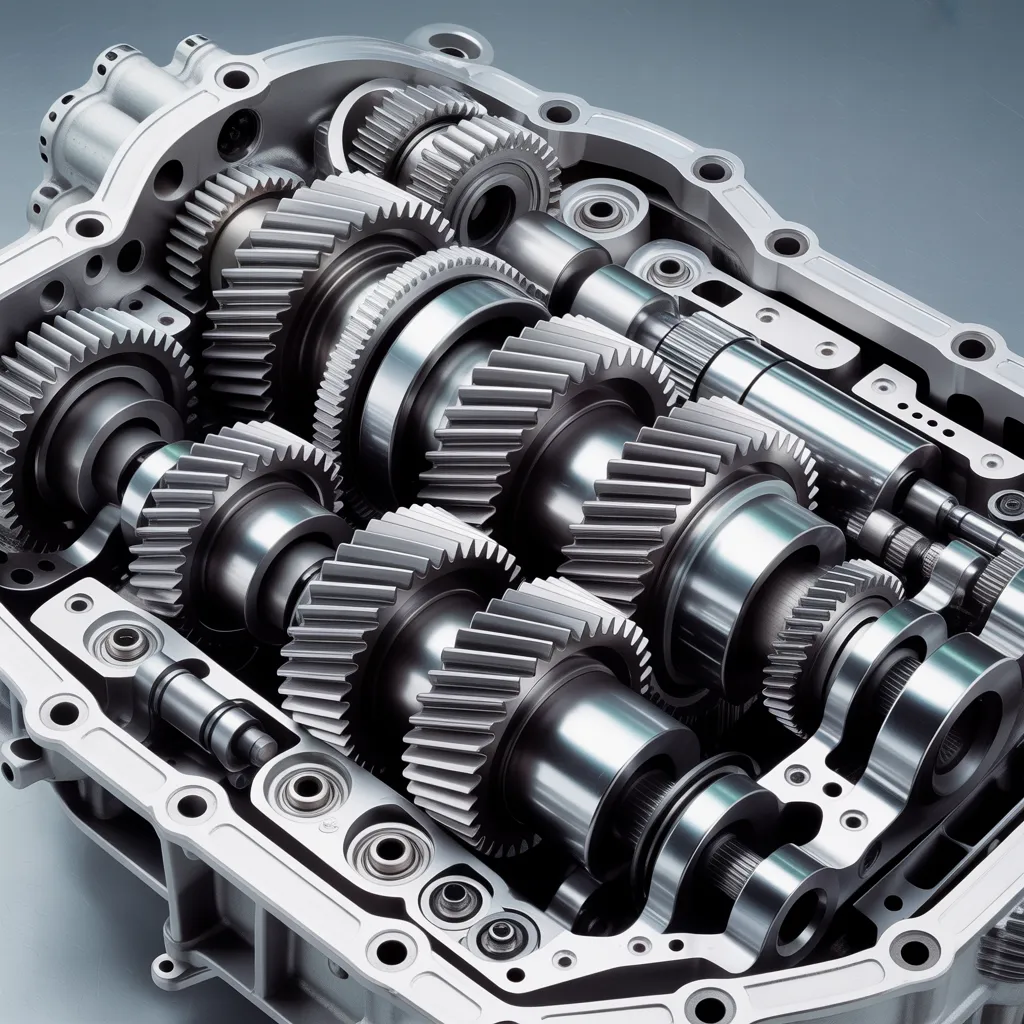
Appreciating the Role of Car Spare Parts
Car replacement parts are critical components that considerably affect a vehicle's efficiency and durability. They guarantee that a car operates efficiently, safely, and reliably. Routine upkeep frequently necessitates the substitution of deteriorated or faulty parts, which can help avoid more significant problems developing. Understanding the importance of these components is critical for vehicle owners, as neglecting to replace faulty parts can lead to decreased performance, increased fuel consumption, and safety hazards.
Quality spare parts are crucial not only for proper function but also for sustaining the automobile's resale value. Factory-original parts, for example, are manufactured to align with the vehicle's exact specifications, providing maximum performance and perfect compatibility. Additionally, using inferior or improper spare parts can void warranties and lead to further mechanical problems. Therefore, understanding the importance of car spare parts is critical for the general performance and longevity of every vehicle.
Recognizing When You Require Car Spare Parts
How can vehicle owners effectively recognize when it's time to replace spare parts? Identifying the need for spare parts can be vital for maintaining vehicle performance and safety. Initially, uncommon noises including grinding or squeaking sounds commonly signal worn-out components. Furthermore, dashboard warning lights must never be overlooked; they consistently indicate faulty components that demand prompt attention.
An additional sign is fluid leaks, which could point to a deteriorating seal or gasket. Vehicle owners should take note of changes in handling, such as vibrations or pulling to one side, as such problems may stem from suspension or tire problems. Consistent maintenance checks and inspections are vital; they allow owners to identify concerns before they become serious. Lastly, reviewing the vehicle's owner manual can offer insight into maintenance intervals for different parts, ensuring that owners remain proactive in their vehicle care.
Premier Online Retailers for Car Spare Parts Bargains
Recognizing the requirement for spare parts is only the first step; finding budget-friendly solutions for replacements is just as essential. Numerous online retailers provide a wide range of car spare parts at affordable costs, making it more convenient for consumers to save money. Websites like RockAuto offer an expansive catalog with in-depth information, enabling users to assess pricing with ease. AutoZone and Advance Auto Parts also have strong online platforms, often featuring promotions and discounts that enhance savings.
eBay Motors is recognized for its wide range of options, featuring both brand-new and secondhand parts, catering to various budgets. Additionally, Amazon offers convenience through its Prime delivery and customer feedback, assisting purchasers in making educated selections. For buyers seeking hard-to-find or specialized components, niche retailers such as CarParts.com offer significant value. By taking advantage of these online tools, automobile owners can secure high-quality parts while staying within their financial limits, consequently elevating their maintenance and repair journey.
DIY vs. Professional Repairs: Making the Right Choice
When evaluating car repairs, car owners should consider the costs associated with do-it-yourself solutions versus those of working with a professional. The level of expertise required for particular jobs also has a significant impact on determining the best approach. Ultimately, taking a knowledgeable approach can help conserve time and resources while maintaining safety and efficiency.
Cost Considerations
A large number of vehicle owners deal with the challenge of weighing the options of DIY repairs and working complete info with professional mechanics, each option carrying its own financial implications. Self-performed repairs commonly cut down on labor costs, permitting owners to focus their spending on parts alone. Nevertheless, they demand a preliminary investment in tools and an inevitable learning curve that might cause costly missteps. On the other hand, professional mechanics offer expertise and efficiency, yet their work comes with elevated labor expenses. These costs can accumulate rapidly, particularly for major repairs. At its core, the determination relies on the owner's financial capacity, skill level, and the nature of the repair required. Examining the extended costs and prospective savings is key to finding the most financially sound choice.
Skill Level Required
Deciding between do-it-yourself repairs and professional help frequently depends on the level of knowledge demanded by the repair in question. With straightforward repairs, such as changing a battery or replacing wiper blades, many car owners find they can manage the task themselves with just a few tools and some direction. That said, more complex issues, such as engine or transmission repairs, demand specialized knowledge and experience. Skilled professionals not only bring the needed expertise but also leverage advanced diagnostic equipment that guarantees repairs are completed safely and effectively. At the end of the day, the determination should be based on a person's trust in their own capabilities, the difficulty of the repair work, and the financial risk of getting it wrong. Weighing these factors can help car owners arrive at well-informed decisions regarding their repair choices.
How to Source Quality Car Spare Parts
When buying car spare parts, it is crucial to assess the fitment of every part with the specific vehicle. Furthermore, opting for trusted suppliers can assure the quality and reliability of the components. Being aware of these considerations can considerably influence the general performance and safety of the vehicle.
Assessing Part Compatibility
Evaluating part compatibility is crucial for maintaining ideal vehicle performance and safety. When purchasing spare parts, one must confirm that the components align with the specifications of the vehicle's make and model. This includes inspecting the part numbers, dimensions, and materials, as discrepancies can lead to inadequate operation or even damage. Utilizing the vehicle identification number (VIN) can simplify this process, ensuring that the correct parts are identified. Additionally, referencing the owner's manual or manufacturer guidelines is strongly suggested. Compatibility extends beyond mere fit; it also covers the part's performance characteristics, which should match the vehicle's requirements. By meticulously assessing compatibility, vehicle owners can improve durability and dependability while reducing the risk of significant repair costs.
Working With Reputable Suppliers
Obtaining premium car spare parts calls for careful consideration of suppliers to confirm dependability and quality. Those looking to buy should find reputable suppliers with a track record of providing original parts. Internet reviews and customer testimonials can provide information into the distributor's credibility and level of service. It is equally important to confirm whether the supplier is accredited by the parts manufacturer (OEM), as this often assures adherence to professional benchmarks. In addition, assessing pricing among multiple providers can be useful in finding competitive market rates, but purchasers should be cautious of suspiciously cheap pricing, as they may point to low-quality parts. Building a connection with trusted suppliers can lead to improved pricing and superior after-sales service in the future.
Key Trends in Car Spare Parts You Need to Be Aware Of
As the automotive sector advances, emerging trends in car spare parts are transforming the market for both automakers and end users. One significant trend is the increasing demand for electric vehicle (EV) components. As more consumers shift to EVs, parts connected to battery servicing and electric drivetrains are rising in importance.
One other rising trend is the emergence of aftermarket parts that incorporate innovative technology, such as intelligent sensors and connectivity features, improving vehicle performance and safety. Sustainability also serves a vital role; manufacturers are directing their attention toward sustainable materials and recycling efforts to meet consumer expectations for environmentally sustainable practices.
Additionally, the adoption of 3D printing innovations facilitates more rapid fabrication and tailoring of replacement parts, lowering lead times and costs. Collectively, these trends demonstrate a progressive automotive environment, where innovation and sustainability converge, presenting new avenues for both end users and the wider automotive sector.
Common Questions and Answers
How Can I Tell if a Spare Part Is copyright?
To establish if a spare part is fraudulent, you should scrutinize packaging quality, verify the presence of lacking authenticity labels, match product details to manufacturer specifications, and buy from trusted suppliers to ensure genuineness and dependability.
What Warranty Choices Exist for Automotive Spare Parts?
Warranty provisions for vehicle spare parts differ across manufacturer and retailer. They typically range from thirty days to several years, covering defects in materials or workmanship. Buyers should always review terms before purchase to ensure sufficient coverage.
Can Used Car Spare Parts Be Trusted for Repairs?
Second-hand auto components prove to be dependable for repairs, as long as they come from reputable suppliers. Condition checks and assurances frequently come with these parts, ensuring functionality and safety when properly installed and maintained by experienced mechanics.
How Can I Correctly Maintain Spare Parts Following Installation?
To maintain spare parts after installation, one should consistently examine for wear, ensure they remain clean, adhere to manufacturer recommendations for upkeep, ensure sufficient lubrication, and tackle concerns immediately to extend their service life and guarantee optimal performance.
Can I Return Spare Parts if They Don't Fit?
Indeed, components can normally be exchanged if they fail to fit properly, given that they are in their original state and within the return policy timeframe. It is wise to review the retailer's specific policies before making a purchase.